
🏠 From Seller’s Paradise to Market Slowdown
Not long ago, U.S. homeowners commanded high prices with multiple offers above asking. Interest rates were historically low, fueling rapid sales. But conditions began to shift after 2018 as the Federal Reserve started tightening policy under Chair Jerome Powell (en.wikipedia.org). Buyers, facing costlier loans, grew cautious. Monthly mortgage payments surged, even if sale prices stayed static, cooling demand.
💵 Powell’s Reluctance to Cut Rates
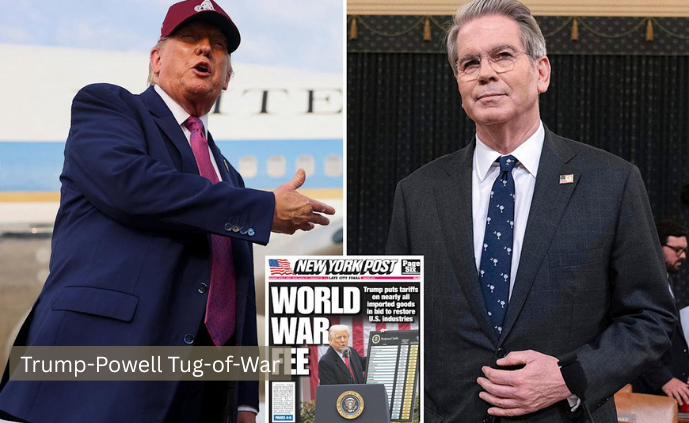
Powell has resisted political pressure from President Donald Trump to slash interest rates. The Fed’s mandate requires balancing inflation control with economic growth, not reacting solely to political demands (axios.com). Powell points to persistent inflation and global trade uncertainty—much of it linked to tariffs—as reasons for keeping borrowing costs high.
📈 Tariffs and the Cost Ripple Effect
Trump’s tariffs, introduced as part of his “America First” trade strategy, raised import prices on steel, aluminum, and consumer goods (nytimes.com). The resulting price pressures spread across the economy. Powell argues these measures, not his rate stance, fueled inflation and complicated the Fed’s path to easing (ft.com).
🏘️ Housing Market in the Crossfire
Higher interest rates directly impact affordability. Even with steady listing prices, a jump from 3% to 6% on a mortgage can add hundreds to a monthly payment (cnbc.com). That shift quickly turned a hot seller’s market into a slower, more balanced environment. Buyers paused; sellers faced longer listing times and fewer bidding wars.
⚖️ Is Powell to Blame, or the Tariffs?
Critics say Powell’s refusal to preemptively lower rates worsened the slowdown. Supporters counter that rate cuts without addressing tariff-driven inflation would risk undermining price stability. The debate is complex: tariffs increased costs, which prompted the Fed to hold rates higher for longer (theatlantic.com).
🌍 Broader Implications
Housing is a key driver of U.S. consumer spending. A cooling market affects construction, lending, and retail sectors. Globally, the Fed’s decisions influence capital flows, dollar strength, and even housing trends in foreign markets pegged to U.S. rates (aljazeera.com).
🧭 Final Take
The Trump–Powell standoff over rates and tariffs is more than a political squabble—it’s shaping homeownership dreams and economic momentum. Whether the main culprit is tariff policy or rate discipline, the outcome is felt by buyers, sellers, and global investors alike.